

It only takes a split second for a relaxing evening to turn into a stressful situation. Whether it is a stray spark from a fireplace or a dropped cigarette, finding a burn hole in your furniture is a heart-sinking moment. Many homeowners immediately search for how to fix a burn hole in a leather couch to save their investment. The immediate reaction is often to look for a quick fix. The internet is full of “life hacks” and cheap DIY kits that promise to make your furniture look brand new for just a few pounds.
However, performing a leather repair is a delicate craft. Leather is a natural product that breathes and moves. When you apply the wrong treatment to a burn, you risk turning a small hole into a permanent eyesore that could ruin the entire piece of furniture. To help protect your investment, here are the most frequent errors people make when attempting leather burn repairs at home.
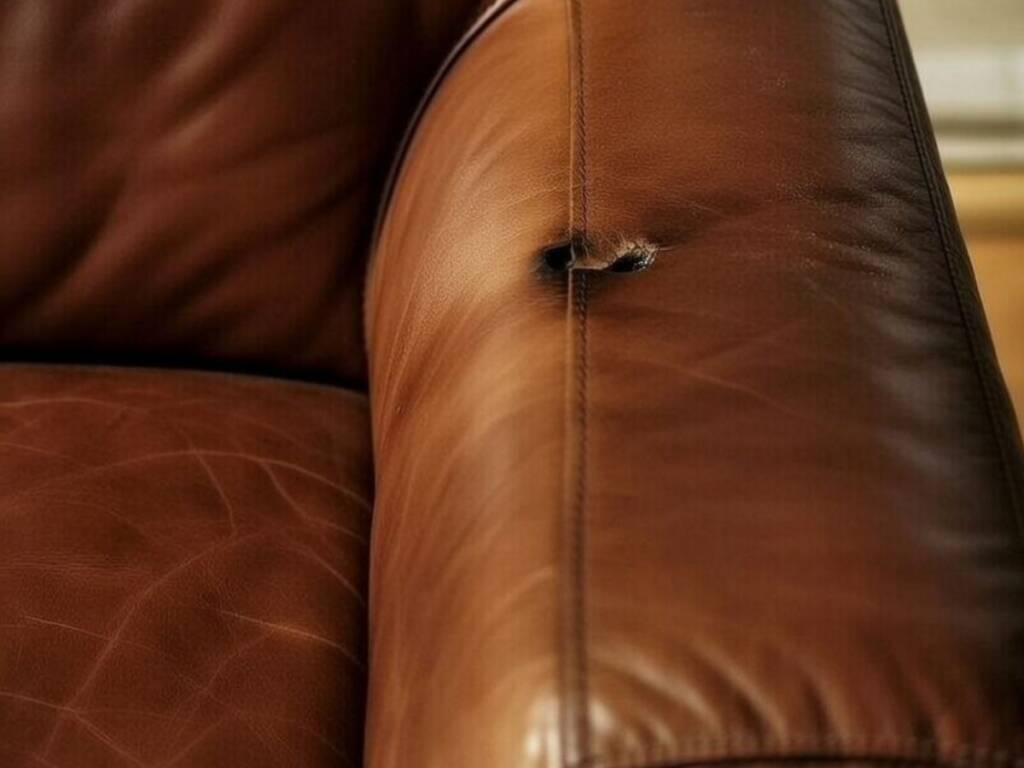
1. Using Household Adhesives for Leather Repair
One of the most damaging mistakes is using standard household glues, such as superglue or heavy-duty contact adhesives. While these products are excellent for fixing a broken vase, they are disastrous for a leather repair. Many people mistakenly reach for fabric glue or general upholstery adhesives, but these lack the specific properties needed for hide.
Why Superglue is Destructive to Leather and Vinyl
Leather and vinyl are prized for their flexibility. Every time you sit down, the material stretches. Household glues create a rigid, brittle bond. When the glue dries inside the fibres, it becomes a hard lump. As soon as someone sits on the couch, the flexible leather or vinyl pulls against the frozen, glued area. This tension usually causes the material to tear right at the edge of the repair, creating a much larger hole than the original burn.
Furthermore, these adhesives can cause a chemical reaction with modern finishes, resulting in permanent staining. Professional restoration involves using specialist, water-based bonding agents that remain flexible once dry, ensuring the repair moves in harmony with the furniture.
2. Rushing the Preparation Phase of a Leather Burn Repair
In the rush to hide the damage, many people skip the most important part: preparation. A burn hole, such as a deep cigarette burn, is an area of chemically altered material. The edges are often charred, hard, and crusty.
If you apply a filler or a patch directly over these burnt edges, the leather repair will never be secure. The charred material is weak and will eventually crumble, causing the filler to fall out. Professionals use precision tweezers and cutting tools to carefully trim away the carbonised material to reach the healthy leather underneath.
Another common oversight is failing to clean the area properly. Over time, sofas accumulate body oils and dust. If these are not removed using professional-grade, eco-friendly cleaning solutions, the repair materials will not stick. Unlike carpet or fabric, leather requires specific non-toxic pre-treatments to ensure the bond is permanent. Following the best way to clean leather sofas ensures proper preparation for any repair work.
3. Overfilling or Underfilling the Burn Hole
Achieving a level surface is perhaps the hardest part of any leather repair. DIY enthusiasts often fall into the trap of trying to fill the entire burn hole in one go. They apply a thick glob of heavy filler, hoping it will dry flat.
Unfortunately, most fillers shrink as they dry. If you put too much in, it creates a raised bump that catches the light and makes the burn obvious. If you use too little, you are left with a visible dip or burn mark.
The secret to a seamless finish is patience. Professionals apply filler in multiple thin layers, allowing each one to dry and settle before adding the next. This building process ensures the repair is level with the surrounding hide. We also use specific drying techniques to ensure the filler stays flexible and does not crack over time. If any excess glue or filler seeps onto the healthy hide, it must be removed immediately to avoid damaging the finish.
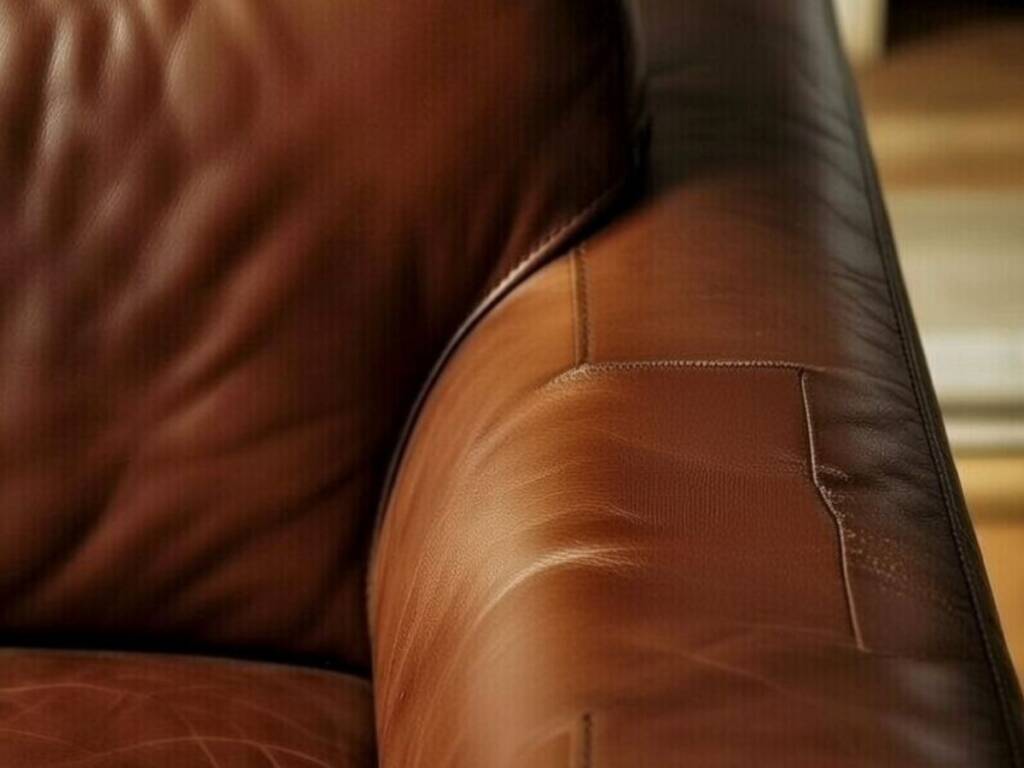
4. Failing to Replicate the Leather Grain Pattern
Even if the hole is filled perfectly level, the repair will still stand out if it is perfectly smooth. Natural leather has a “grain”—a unique texture of ridges and pores. If you leave a smooth, plastic-looking patch in the middle of a textured leather chair, your eye will be drawn to it immediately.
Most DIY kits suggest using a generic piece of leather or extra fabric as a sub-patch, but they do not provide the tools to recreate the surface texture. They leave you with a flat spot that looks like a piece of gum stuck to the couch. In contrast, professional technicians use graining pads and embossing techniques to press a matching texture into the filler while it is still setting. Whether your furniture is a large sofa or a leather loveseat, matching that grain is what makes the repair disappear.
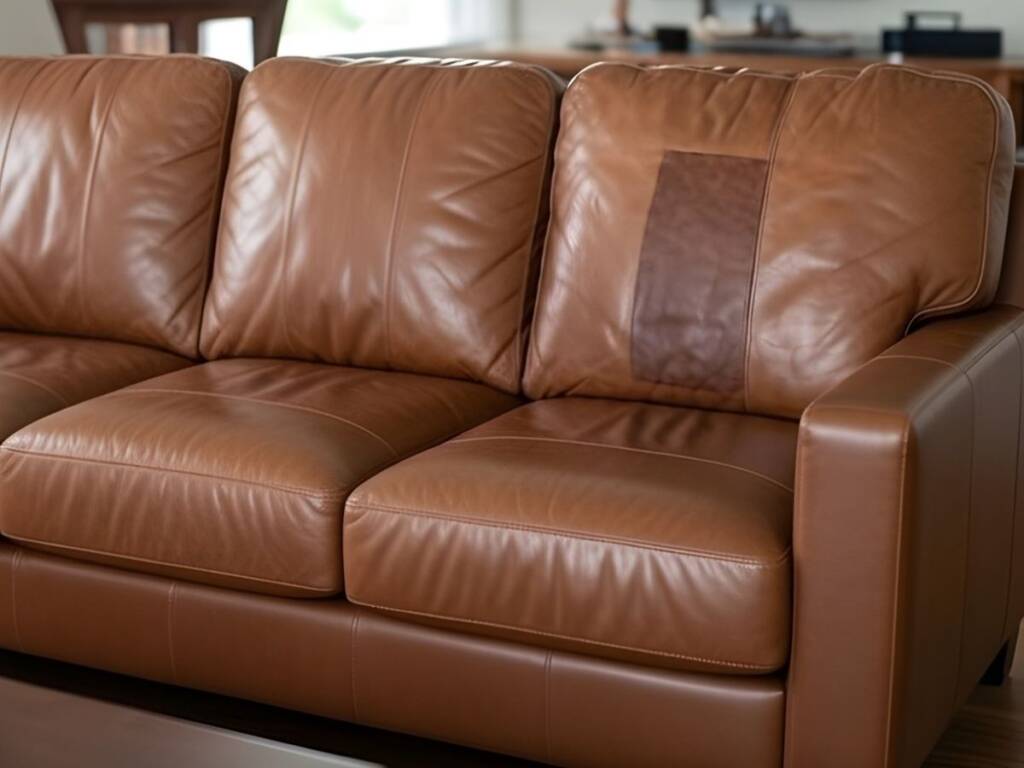
5. Poor Colour Matching in Vinyl and Leather Repair
The final hurdle is colour. Many believe that “dark brown” or “cream” is a universal shade. In reality, there are thousands of variations in dyes, and factors like sunlight exposure and age change the colour of your furniture over time.
Cheap repair kits come with a few basic colours for you to mix yourself. Without a trained eye, it is nearly impossible to match the exact patina of your furniture, whether it is made of vinyl or leather. A slightly “off” colour is often more distracting than the original burn hole or minor scratches.
Beyond the colour, there is the issue of the “lustre” or shine. Materials can range from a deep matte to a high gloss. Professionals use custom-blended pigments and apply a final protective topcoat that matches the exact sheen of your piece. This topcoat also seals the repair, protecting it from spills and wear, ensuring the work lasts for years rather than weeks.
Why Professional Restoration is a Smarter Investment
When you consider the potential for mistakes, it becomes clear that repairing leather effectively is a high-risk task for an amateur. Furniture is often one of the most expensive items in your home, and using a cheap kit can result in damage that may cost hundreds of pounds to fix later.
Choosing a professional restoration service offers peace of mind. Experienced technicians understand the science behind different leather and vinyl types, ensuring repairs are durable and look seamless. Professional services often provide on-site solutions, restoring your furniture to its former condition without the stress of a DIY attempt.
Conclusion
A burn hole feels like a disaster, but it does not have to be the end of your favourite seat. By avoiding the common pitfalls of home repairs—like using the wrong adhesives or ignoring the leather’s natural grain—you can ensure your furniture remains a beautiful part of your home. While the DIY route is tempting, the precision and skill required for a seamless finish are best left to the experts.
If you’re looking for professional leather furniture restoration in Newcastle and the surrounding areas, contact LeatherXpert today and request a consultation to have your furniture restored to a flawless finish.