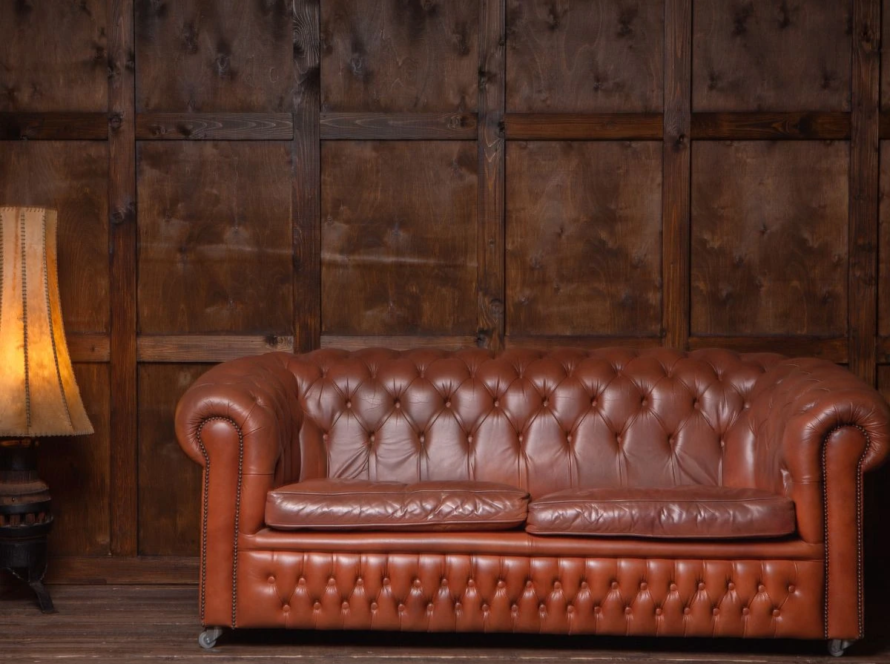
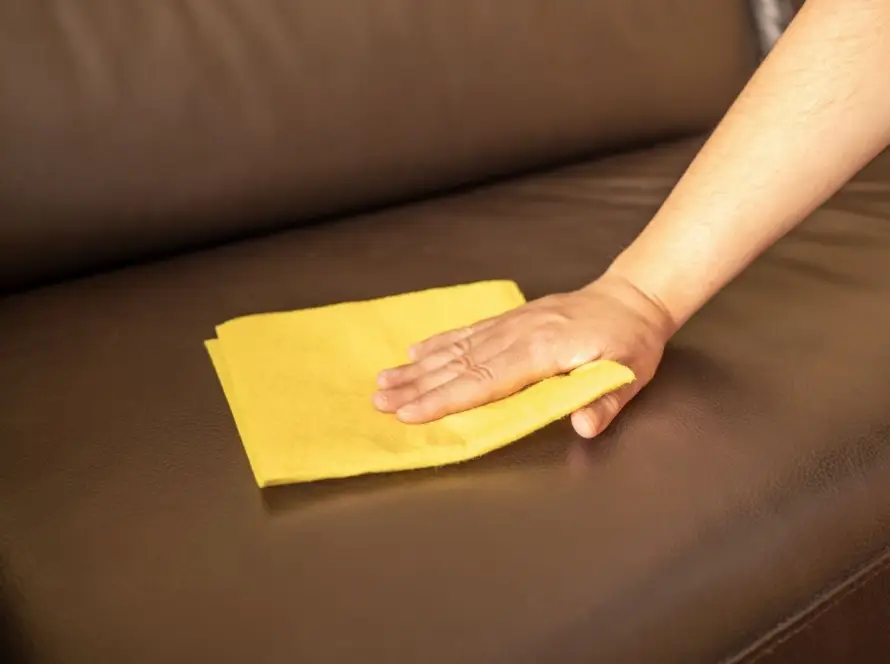
Have you ever sat down on your favourite leather furniture only to notice a tiny, jagged line appearing on the seat? Or perhaps your leather jacket, a cherished leather bag, or a favourite pair of shoes feel a little stiffer than they did a few years ago? Finding a split or a crack in high-quality leather goods can be heartbreaking. We often treat leather as a “buy it and forget it” material, but because it is a natural material, it needs specific care to stay healthy.
At its heart, leather is an animal hide. Just like our own skin, it relies on a delicate balance of moisture and oils to stay flexible. When that balance is lost, the material begins to fail. In this guide, we will look at the science behind why leather cracks and, more importantly, the seven early warning signs that tell you your furniture or clothing is in trouble. By spotting these signs early, you can save your investment before a small crease turns into an expensive tear.
The Science of Why Leather Cracks
To understand how to prevent damage, we first need to understand what leather actually is. Unlike fabric or faux leather, which are synthetic, genuine leather is made of millions of tiny, intertwined protein fibres. During the tanning process, these fibres are treated with natural oils and fats. These lubricants allow the fibres to slide over one another smoothly when you sit down or move.
Loss of Natural Oils and Moisture
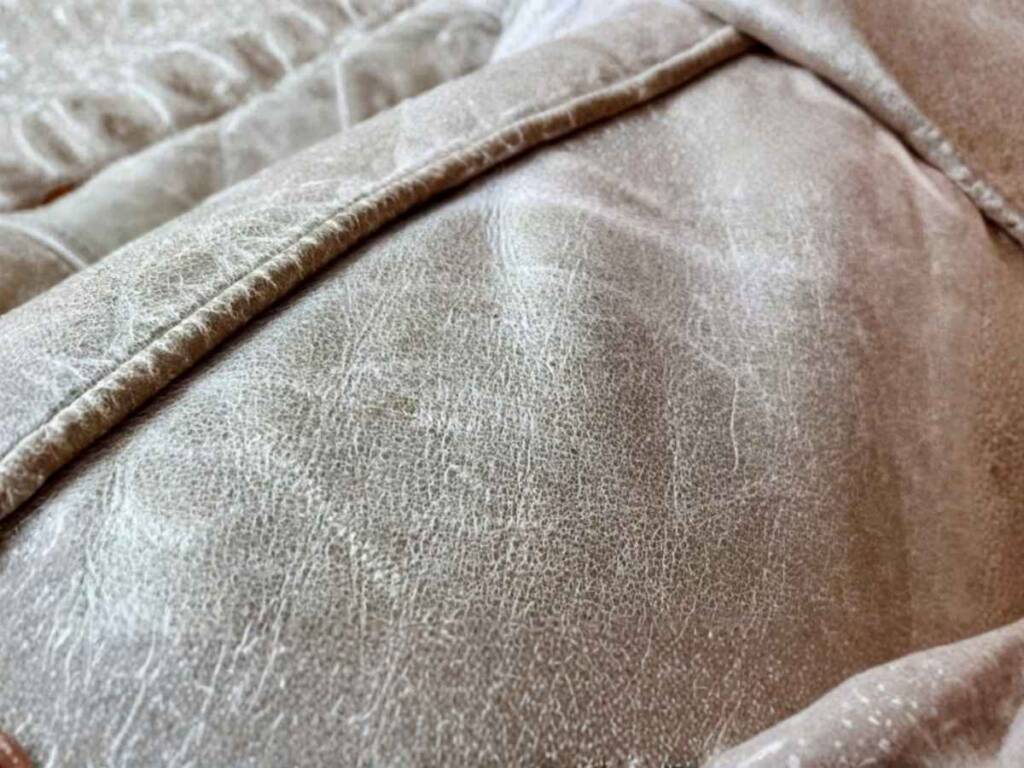
The most common reason for cracking is dehydration. Over time, the oils and fats locked inside the leather fibres begin to evaporate. As these oils disappear, the fibres become dry and brittle. Instead of sliding past each other, they begin to rub and grind together. Eventually, under the pressure of someone sitting on leather seats or the movement of a jacket sleeve, these brittle fibres simply snap. This is what we see as a crack on the surface. Untreated leather is especially susceptible to cracking because it lacks a protective barrier against the elements. A regular leather maintenance routine is the simplest way to prevent this kind of deterioration.
Chemical Sabotage and Improper Cleaning
Ironically, many people cause their leather to crack while trying to clean it. Many “multipurpose” cleaners found in supermarkets, or even common baby wipes, are the enemy of leather. Genuine leather has a specific pH balance. Using a harsh leather cleaner or alkaline products like saddle soap can strip away the protective topcoat and the internal oils. Once that protective layer is gone, the leather is “naked” and will dry out ten times faster than it should. Our guide on professional cleaning versus doing it yourself explains why the wrong approach can cause more harm than good.
7 Warning Signs You Are Ignoring
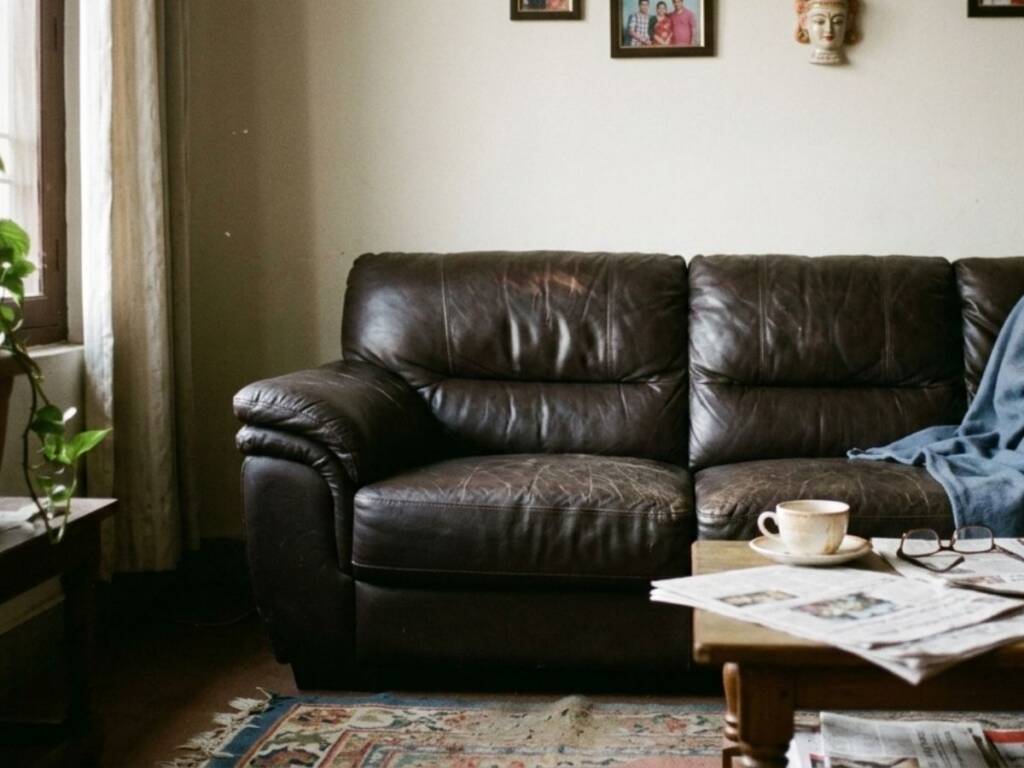
You do not have to wait for a deep split to appear to know your leather is struggling. If you catch small cracks or the “warning sign” stage, professional leather cleaning can usually fix the issue.
1. A Loss of Natural Sheen
When you first bought your leather item, it likely had a healthy, soft glow. If you notice that the surface now looks dull, matte, or has accumulated dirt, this is the first stage of surface dehydration. It means the topcoat is becoming parched and needs nourishment. Learning how to properly clean a leather sofa without stripping its finish is a good first step.
2. Increased Stiffness in Your Jacket or Sofa
Leather should have a “buttery” feel and a natural “give.” Take a moment to push your hand into the seat of your leather furniture or flex the elbow of your leather jacket. If the material feels rigid or hard, the internal fibres are tightening up. This stiffness is a precursor to snapping.
3. The “Rough Paper” Texture on Leather Shoes
Run your palm across the areas that get the most use, such as the armrests of a chair or the toe box of your shoes. If the leather feels scratchy rather than smooth, the grain is beginning to open up. This texture change is a sign that the fibres are starting to fray at the surface.
4. Fine Hairline Creases (Micro-cracking)
It is important to distinguish between natural “character” creases and minor cracks. Natural creases are soft and wavy. Small cracks look like tiny, sharp, jagged spiderwebs. They usually appear in the “valleys” of the grain where dirt and oils tend to collect. You can often see these develop if you don’t follow a regular leather furniture maintenance guide.
5. Colour Fading or Patchiness
If you notice the colour of your sofa or clothing looks lighter in some areas, it is usually due to UV damage. Sunlight doesn’t just bleach the pigment; it “cooks” the proteins in the hide, reducing the durability of the material. Faded leather is almost always dry leather.
6. Squeaking or Friction Noises
Dry leather creates more friction. If your leather seats or boots have started to “groan” or squeak loudly when you move, it is often because the dry leather surfaces are rubbing together without any lubrication.
7. The Appearance of “Dust” in the Grains
Sometimes, you might notice white or greyish “dust” trapped in the grain. If this doesn’t go away with a light vacuum or a wipe with a clean cloth, it might be tiny flakes of the leather’s protective topcoat breaking away.
Prevention and Maintenance Tips
Prevention is always cheaper than a full restoration. Regular cleaning and a few simple changes to how you maintain your leather goods can double their life.
The “Less is More” Cleaning Rule
You should never soak leather. When cleaning, use a damp cloth (microfibre is best) to remove surface stains. If you need a deeper clean, always use a gentle leather cleaner designed specifically for the hide’s pH. Always avoid any product containing alcohol or heavy solvents.
Professional Care and Inspection
Even with the best home care, leather needs a “deep feed” with a quality leather conditioner every now and then. A professional cleaner uses solutions that can penetrate deeper into the hide than a standard leather conditioner. We recommend a professional check-up every 6 to 12 months.
Can You Fix Leather Once it Cracks?
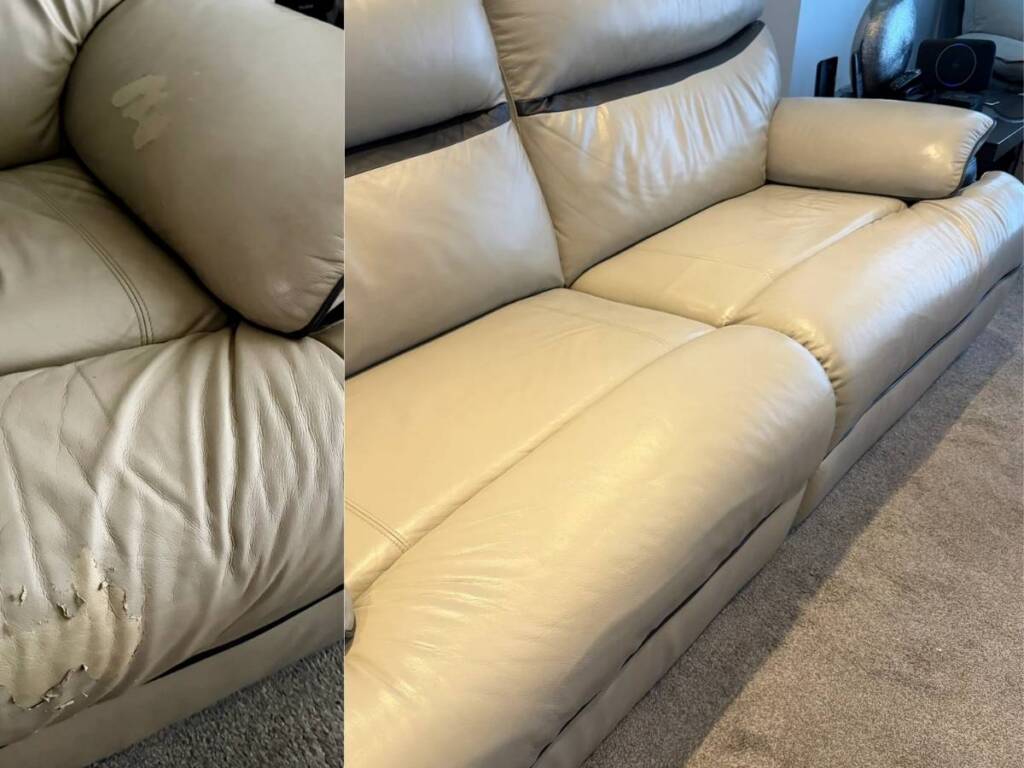
The good news is that most cracking can be dealt with, provided the structural integrity of the hide is still there.
Surface Cracks vs. Professional Repair
If the cracks are just on the surface, a professional leather recolouring and conditioning treatment can often hide them. However, if the crack has gone all the way through—a “split”—then a professional repair is required. This involves using a specialised leather filler that is flexible and bonds with the leather fibres.
The LeatherXpert Approach to Leather Repair
At LeatherXpert, we use a specialised methodology that focuses on health as much as looks. Our ZeroDryTime process means we don’t soak your furniture in water. Instead, we use eco-friendly products to clean and then re-introduce those essential oils ba ck into the hide. This leather restores the flexibility, making the leather supple once again.
Conclusion
Leather is a remarkable material that can last for decades, but it is not indestructible. It is a living investment that reacts to the air, the heat, and the way we clean it. By keeping an eye out for these seven warning signs—especially stiffness and loss of sheen—you can act before the damage becomes permanent. Whether you have a modern sofa in a Newcastle flat or a traditional wingback chair in a Northumberland cottage, your leather deserves the best care possible.
If you have noticed any of these warning signs, or if your leather is already showing signs of wear and tear, do not wait for the problem to get worse. Our team at LeatherXpert has over 30 years of experience in reviving and protecting leather across the North East. We use safe, eco-friendly methods to ensure your furniture looks and feels like new again.
Don’t let your leather fade away. Take the first step toward a total restoration and request a free, no-obligation quote from our expert team today.