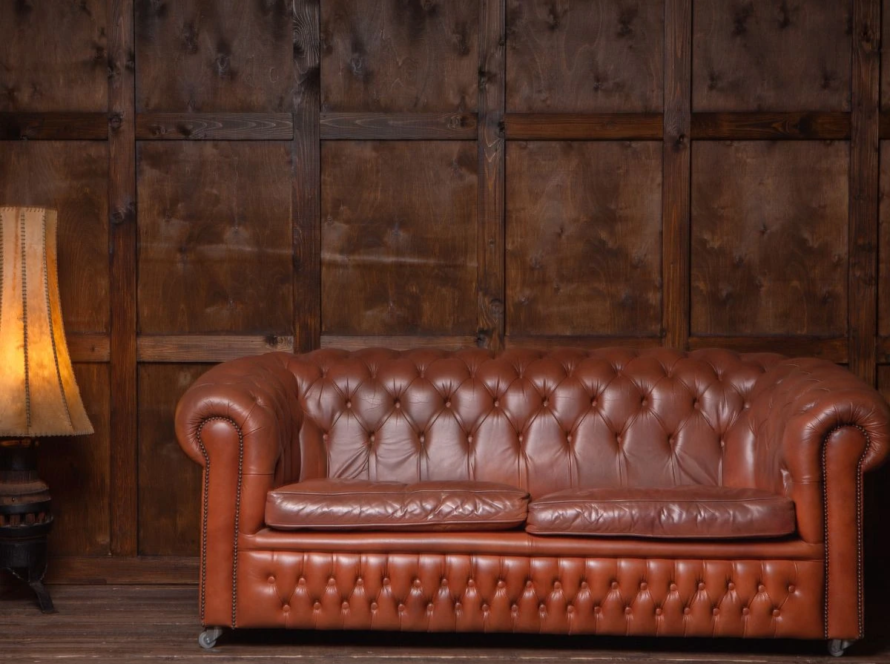
Leather furniture is a timeless investment for any British home. Whether you own a classic Chesterfield or a modern leather sofa, the natural beauty of high-quality hide adds a touch of luxury and comfort to a living space. Leather is famous for its durability, often lasting decades if treated with the right care. However, many homeowners are unaware of a silent threat that can ruin their investment over time: natural sunlight. While a bright, sun-drenched living room is wonderful for your mood, too much sunlight can be devastating for your upholstery.
In this comprehensive guide, we will explore the science of how light affects different types of leather, including luxury Italian leather. We will also provide practical, easy-to-follow steps to shield your leather pieces from the elements. From simple placement tips to professional maintenance routines, you will learn exactly how to keep your leather looking and feeling like new for many years to come.
Why Does Sunlight Cause Sun Damage?
To protect your furniture effectively, it is helpful to understand the relationship between the sun and leather. The damage usually comes from two main sources: ultraviolet (UV) rays and intense heat. Leather is essentially a preserved skin, and just like the skin on our bodies, it reacts poorly to prolonged exposure to the sun without uv protection.
The Role of UV Radiation in Sun Damage
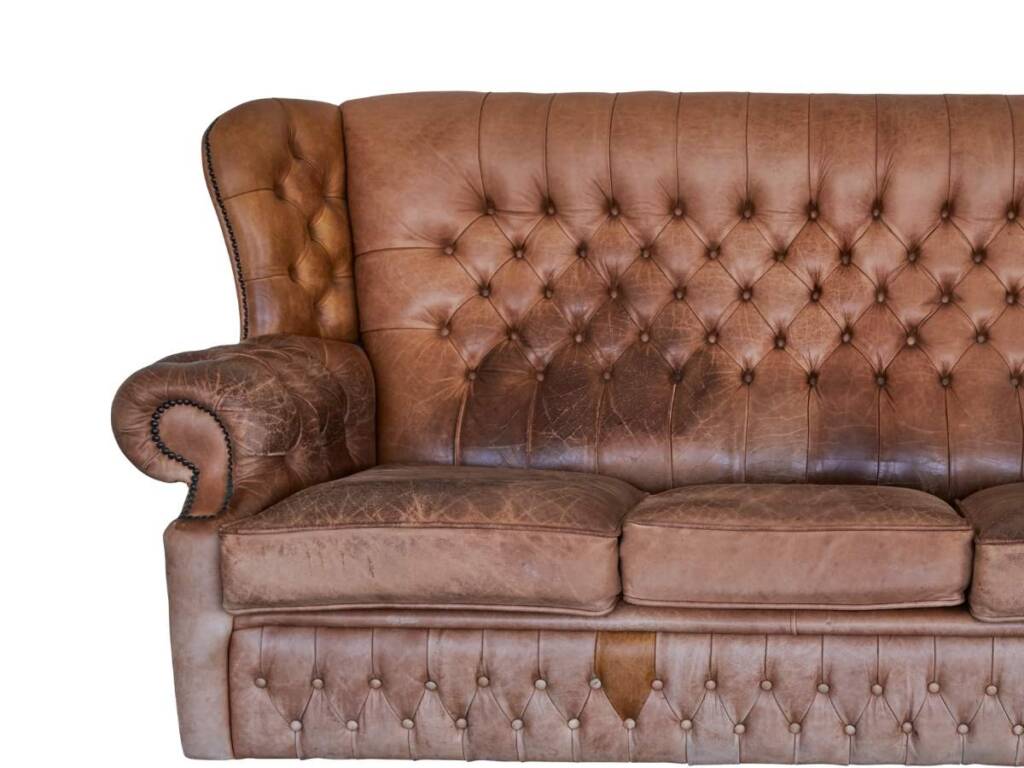
UV radiation is a form of energy that we cannot see, but we can certainly see its effects on leather items. These rays break down the chemical bonds within the leather’s structure. This process is known as photo-degradation. Over time, it causes the pigments in the leather to fade. You might notice your dark brown sofa slowly turning a lighter, dusty shade of tan. This sun bleaching is often irreversible because the colour has been physically “burnt” out of the material. When this happens, professional leather recolouring may be the only way to restore your furniture’s original appearance.
How Heat Impacts Leather from Sun Damage
Leather is an organic material that contains natural oils. These oils are vital because they keep the leather upholstery supple and soft. When leather is exposed to the intense heat of the sun, these oils begin to evaporate. Without this internal moisture, the leather becomes dry and brittle. As people sit on leather couches, the dry fibres rub together and snap. This leads to surface cracking, which ruins the texture and makes the furniture feel rough and uncomfortable.
Understanding Your Leather Type
Not all leathers react to sunlight in the same way. Some are naturally more resistant to sun damage than others, depending on the tanning process and finish. Understanding your specific leather type helps you apply the most effective leather furniture care routine.
- Aniline leather furniture: This is the most natural-looking leather. It is dyed with transparent colours but has no protective topcoat. Because it is so porous, it is extremely sensitive to sunlight.
- Pigmented (Protected) Leather: This type has a durable top coating. While it is more resilient than aniline, it is still susceptible to heat damage.
- Vinyl: While often used as a leather alternative, vinyl can also crack and peel if exposed to a lot of sunlight, though it does not require the same oil-based care as genuine hide.
Strategic Placement Tips for Leather Furniture
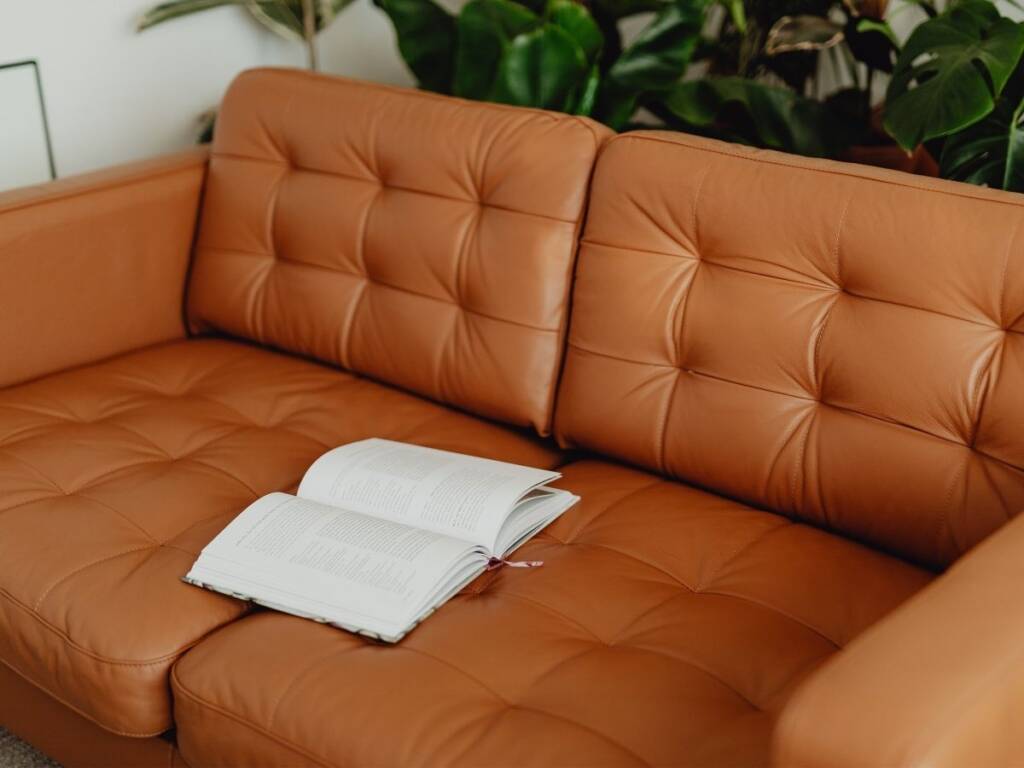
One of the easiest ways to protect your leather is through smart interior design. You do not need to live in a dark room, but you should be mindful of where your sofa sits in relation to a sunny window.
Avoiding Direct Sunlight Exposure
If possible, place your leather furniture in what designers call “shadow zones.” These are areas of the room that do not receive direct beams of light during the brightest parts of the day. Even moving a chair a few feet away from a sunny spot can significantly increase its life expectancy. If you are moving into a new home, it is a good idea to watch how the sun moves across the room before deciding where the furniture should go permanently.
Rotating Your Leather Furniture Regularly
Sometimes, the layout of a room means a sofa has to be near a window. If this is the case, try to rotate your furniture every few months. This ensures that any light exposure is spread evenly across the entire piece. It prevents a single cushion or armrest from becoming noticeably lighter or more brittle than the rest of the set. Even a slight shift in position can help the leather wear more naturally.
Keeping Distance from Artificial Heat
Sunlight through a window often creates a “magnifying glass” effect. This raises the temperature of the leather surface significantly. The damage is made even worse if the furniture is also positioned near a radiator or a fireplace. Heat is the primary cause of leather shrinking and losing its shape. We always suggest keeping leather at least 30cm away from any artificial heat source to prevent the hide from becoming dangerously dry.
Physical Barriers to Shield Leather from Sun Damage
If you cannot move your furniture, you can change how light enters your home. There are several stylish ways to block harmful rays without making your home feel gloomy.
The Importance of Blinds and Curtains
Installing high-quality blinds or curtains is your first line of defence. Thermal-lined curtains are particularly effective because they block both UV light and the physical heat of the sun. During the peak afternoon hours in the summer, keeping your blinds partially closed can make a huge difference in preservation.
Window Shields and UV-Filtering Film
For homeowners who love natural light, window shields or UV-filtering film are fantastic modern solutions. This clear film is applied directly to the glass of your windows. It can block up to 99% of UV radiation while remaining almost completely invisible to the eye. It allows you to enjoy a bright, airy room without the constant worry of sun bleaching.
Using Decorative Throws as Protective Tips
Using a textile throw is a simple and effective DIY fix. By draping a throw over the parts of the sofa that catch the most sun, you create a physical barrier. This also protects the leather from dye transfer from clothing like dark jeans, which can be difficult to remove once they settle into the grain.
Professional Maintenance Products for Leather Furniture
While physical barriers are helpful, you also need to treat the leather itself. Using the right products will create a protective barrier that helps the material resist the elements. Following the best way to clean leather sofas ensures you’re using appropriate products that won’t cause additional damage.
Apply Protection Products with UV Inhibitors
A high-quality leather protector does more than just give the furniture a nice shine. These products often contain UV inhibitors. These work by absorbing the radiation before it can reach the actual leather fibres. Think of it as sun cream for your sofa or even for leather car seats that sit in the sun all day.
Using pH-Balanced Cleaning Products
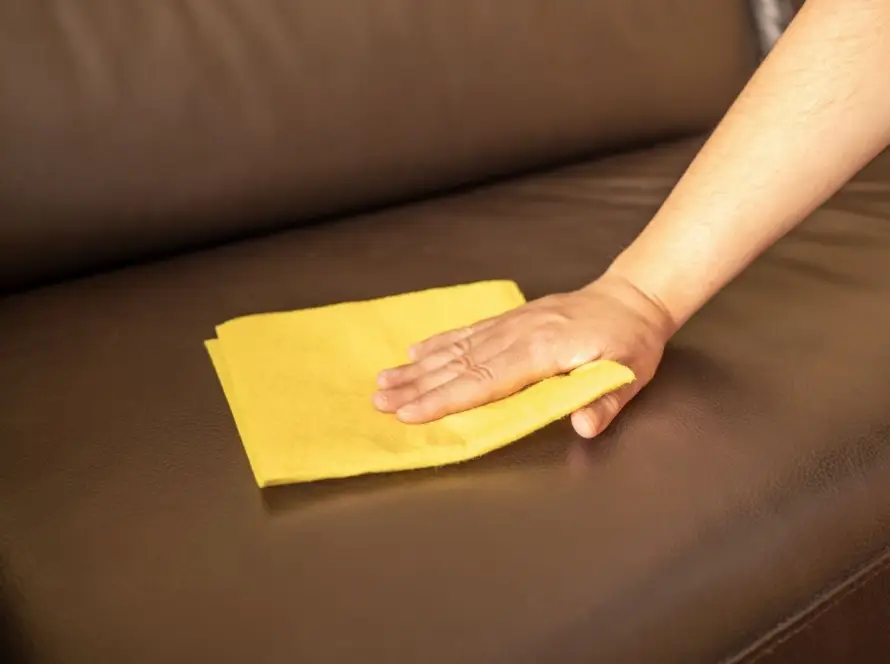
Regular cleaning is essential to prevent surface dust from scratching the hide. When it is time to clean, the leather cleaner you choose matters immensely. Harsh chemicals can strip away natural oils and weaken the leather’s resistance to heat. After applying a cleaner, you might use a damp cloth to wipe away residue, followed by a dry cloth to buff the surface.
Quality Leather Conditioner for Supple Texture
Using a quality leather conditioner is vital for maintaining a supple texture. In the UK, the combination of central heating in the winter and direct sun in the summer constantly pulls moisture out of the hide. We recommend using a leather conditioner every three to six months. This process replenishes the moisture lost to the environment and keeps the fibres flexible. This routine is also beneficial for other items in your home, such as leather jackets, which face similar environmental stress.
When to Seek Professional Restoration for Sun Damage
In some cases, the damage might already be visible. If your leather feels very stiff or has lost its vibrant colour, home treatments may not be enough to fix the problem. Understanding when to seek professional leather cleaning vs DIY methods can save you from making the damage worse.
Assessing the Level of Sun Damage
If you notice deep micro-cracks or significant areas of fading, it is usually time to consult an expert. Sun damage often goes deeper than the surface. Trying to fix deep fading with cheap kits can often result in a patchy finish. Professionals can also help remove stubborn stains, such as water stains or oily stains from leather, which become harder to treat when the material is dry and porous. Similar to how to fix scratches on leather sofas, sun damage repair requires careful assessment and proper technique.
Expert Recolouring to Restore Leather from Sun Damage
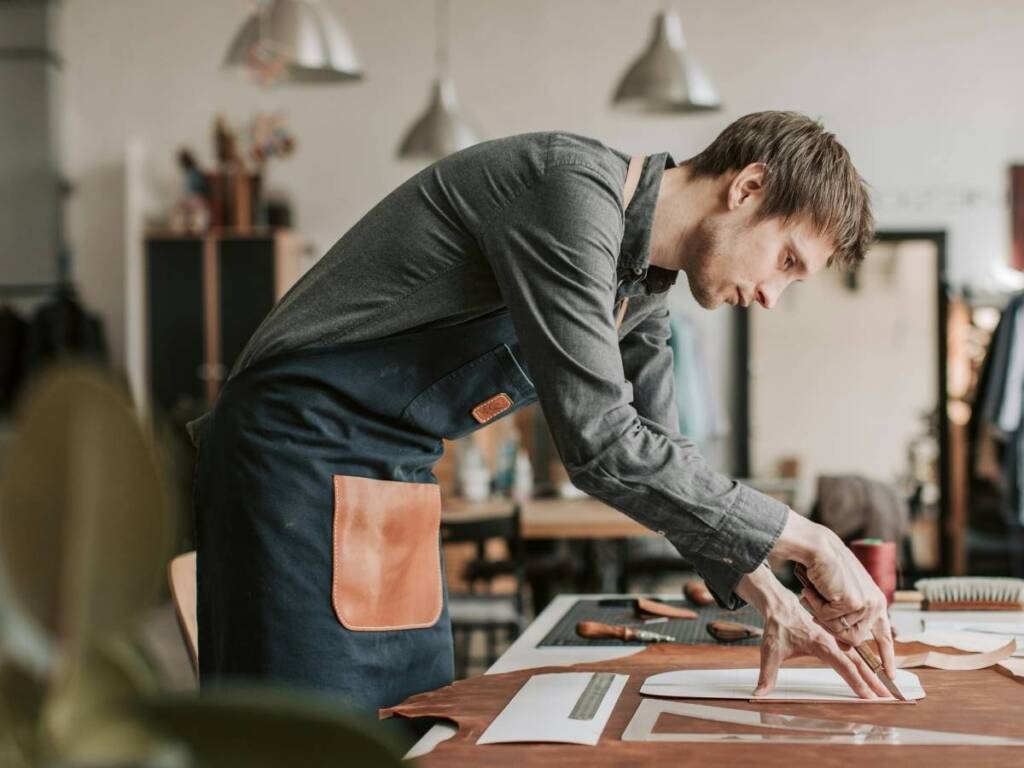
Professional restoration is a detailed process. It involves deep cleaning to remove stains and old waxes, followed by rehydrating the fibres with specialised oils. If the colour has faded, an expert will carefully match the original dye and apply it to the surface to restore the even tone. This process, similar to restoring faded leather furniture, can save you thousands of pounds by extending the life of your furniture.
Conclusion
Protecting your leather furniture from the sun does not have to be a difficult task. By being mindful of where you place your pieces, using clever window treatments, and following a steady maintenance routine, you can prevent the worst effects of fading and cracking. Leather is a natural product that responds beautifully to care. It needs moisture and protection to stay as beautiful as the day you bought it.
If your leather furniture has already lost its lustre or feels brittle from sun exposure, LeatherXpert is here to help. With over 30 years of experience serving the North East, we provide expert leather restoration and recolouring to bring your sofa back to life.
Revive your sofa and request your free, expert quote today!